
The Parent Bodies (ANZSNR, ANZAN and NSA) have established a new framework for the recognition of training in Interventional Neuroradiology (INR) across Australia and New Zealand. As part of this transition, the former Conjoint Committee for Recognition of Training in Interventional Neuroradiology (CCINR), established in 2014, as of 01 July 2026, has been replaced by the Recognition of Training in Interventional Neuroradiology Standards Working Group (INR-SWG).
The INR recognition of training responsibilities have been transferred to one of the following organisations:
The Australian and New Zealand Society of Neuroradiology (ANZSNR), the Neurosurgical Society of Australasia (NSA) and the Australian and New Zealand Association of Neurologists (ANZAN). For more information or to submit your application, please contact one of the following organisations;
If you are a Neurosurgeon, please contact NSA at administration@nsa.org.au
If you are a Radiologist, please contact ANZSNR at secretariat@anzsnr.org.au
If you are a Neurologist, please contact ANZAN at anzan@anzan.org.au
INR
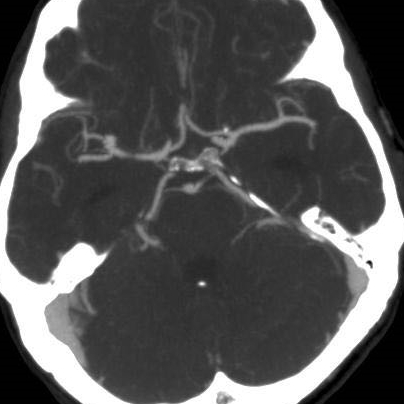
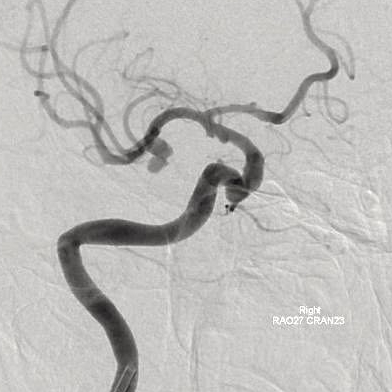
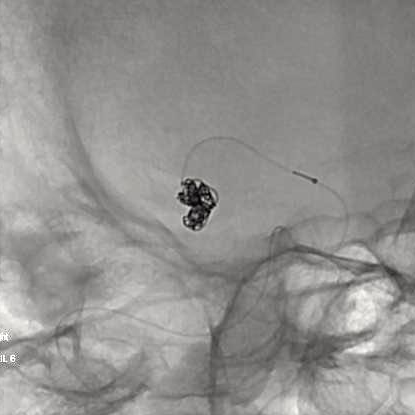
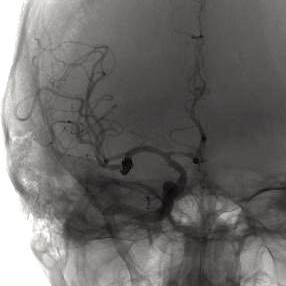
INR is the term used in Australia and New Zealand to describe medical sub specialists who use image-based minimally invasive techniques to diagnose and treat intracranial, spinal and head and neck diseases. INR stands for interventional neuroradiologist, but as the subspeciality includes neurosurgeons and neurologists as well as radiologists, the contraction INR is usually preferred. In other countries other terms may be favoured, such as NI (Neurointerventionist). INR is also used to refer to the practice as well as the practitioner (interventional neuroradiology). There are a number of synonyms used elsewhere (Endovascular Surgical Neuroradiology [ECN], Minimally Invasive Neurosurgical Therapy [MINT], Neurointerventional Surgery [NIS]) but they all refer to the same subspecialty practice. For the purposes of the CCINR guidelines the term INR is taken to be synonymous with terms used elsewhere to describe both this work and the appropriately trained practitioners who practice in this subspecialty.